

Key Takeaways
- Myopia makes faraway things look blurry while close-up objects stay clear.
- It often shows up in kids between ages 6 and 12.
- Squinting, sitting close to screens, and headaches can all be early signs.
- Yearly eye exams help catch changes before school struggles begin.
- Ortho-k lenses, myopia control contacts, atropine drops, and outdoor time can help slow myopia.
Spot the Signs Early
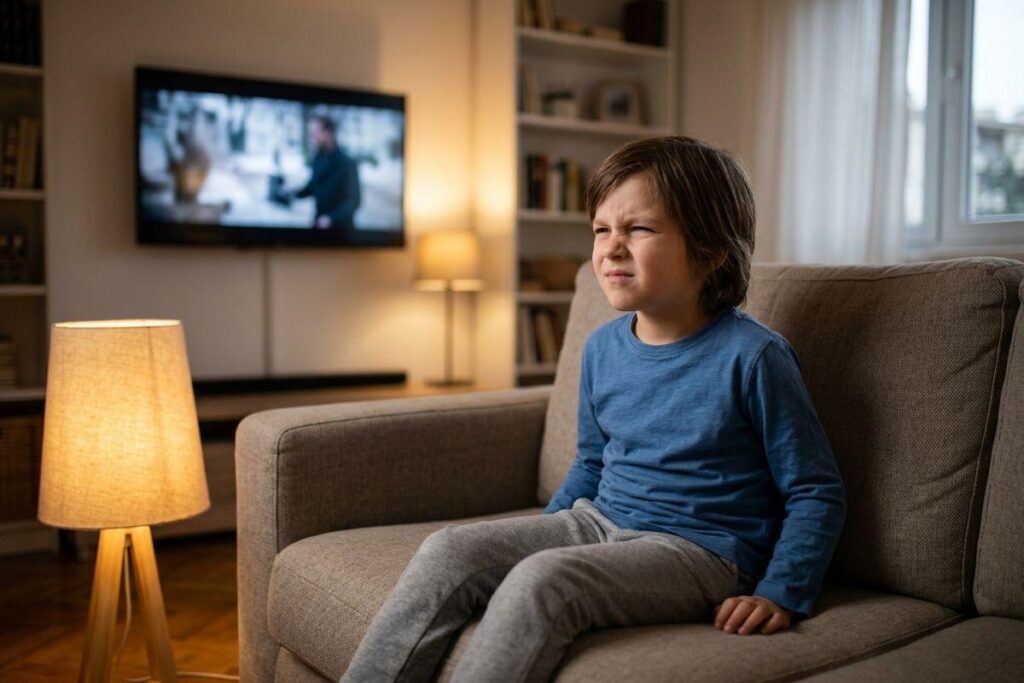
If your child rubs their eyes during homework or scoots too close to the TV, these small habits could be the first hint of vision struggles. Our team at Pinnacle Eyecare wants you to feel ready to spot these changes early.
The early signs of myopia in kids include squinting, sitting close to screens, frequent eye rubbing, and headaches after close-up work. A children’s eye exam can confirm what’s going on.
What Myopia Means for Your Child
Myopia is the medical word for nearsightedness. It means that a person struggles to see distance objects, though their close-up vision remains clear.
Myopia happens when the eye grows too long, causing light to focus incorrectly in the eye. It often starts between ages 6 and 12, right when kids are spending more hours reading and learning.
The good news is that symptoms of myopia can be easy to spot once you know what to look for.
Early Signs You Can Spot at Home
Your child may not say “I can’t see well.” Instead, you might notice little habits that hint at blurry vision. Keep an eye out for these everyday clues:
- Squinting at the TV or the board at school
- Sitting very close to screens or holding books near the face
- Rubbing the eyes often
- Blinking more than usual
- Complaining of headaches after homework
Clues Teachers May Notice First
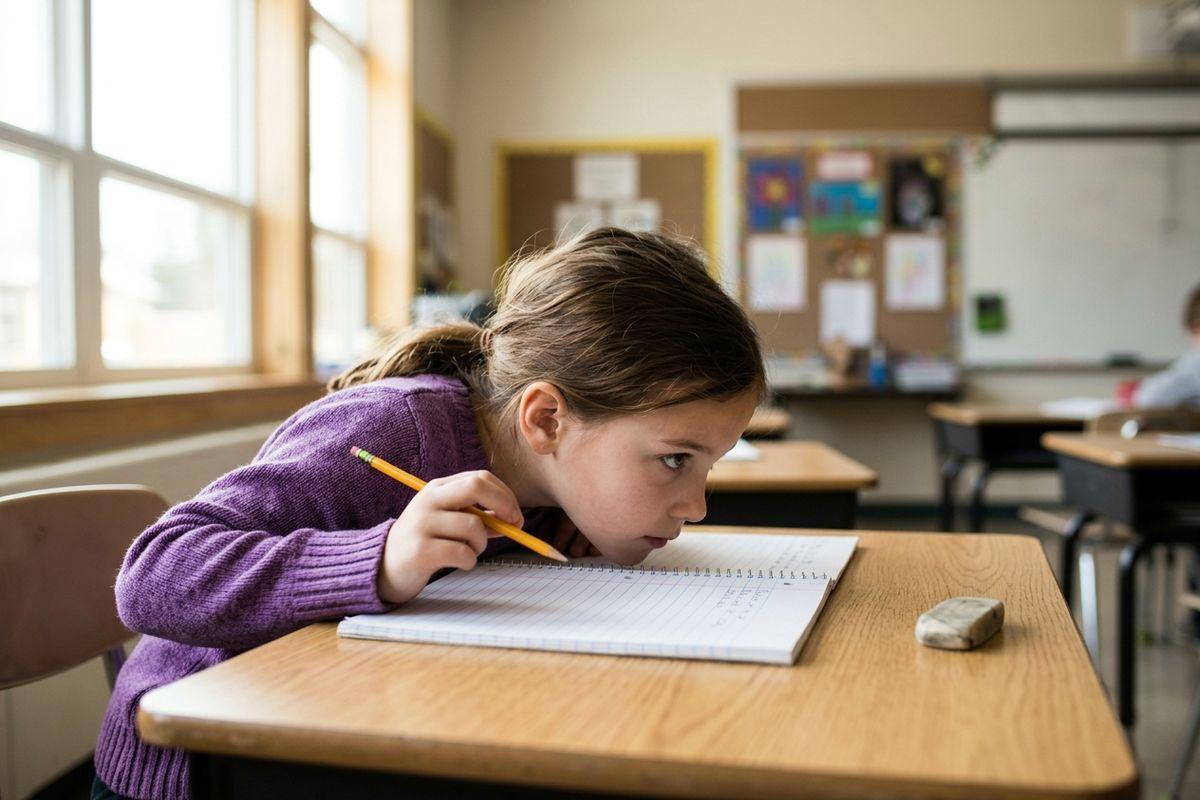
Teachers spend hours watching kids read and write, so they often catch vision changes early. Your child might ask to move to a front-row seat or struggle to copy notes from the board. If a teacher mentions these kinds of behaviors, it’s worth booking your child an eye exam.
What May Contribute to Myopia in Kids
Several factors play a part, and most of them are out of your child’s hands.
Family history matters a lot. If one or both parents are nearsighted, a child has a higher chance of developing it too. Long hours of close-up work like reading or drawing, paired with less time outside, can all increase a child’s risk.
Screen Time & Outdoor Time
Prolonged periods of near work, including screen time, have been shown to increase a child’s risk of myopia. On the other hand, outdoor time has been shown to decrease children’s risk of developing myopia. Try to have your child spend about 2 hours outside every day.
Why Early Eye Exams Matter for Kids
Catching myopia early can make a real difference in how your child does at school. A child who can’t read the board may fall behind, even though the real issue is blurry vision.
Once school starts, a yearly eye exam helps us keep track of how your child’s vision is changing. Spotting changes early gives us more options to help slow how fast myopia worsens.
Ways to Manage & Slow Myopia
Myopia can’t be reversed, but several myopia control approaches can help slow how quickly it develops. We can walk you through which options suit your child.
- Overnight ortho-k lenses gently reshape the cornea while your child sleeps, giving them clear vision during the day.
- Myopia-control contact lenses and glasses are designed to slow myopia progression.
- Low-dose atropine drops are used alongside other methods.
Simple Habits That Help
Your child’s vision shapes how they learn and play, so early action to slow down myopia matters. As your eye doctor in Columbus serving Gahanna, New Albany, and surrounding areas, our team at Pinnacle Eyecare is here to build a plan that fits your family and protects your child’s vision.
Schedule an exam today and help your child see the world clearly.