
An eye exam is a simple, important step to protect your vision. When you know what to expect, your appointment can go smoothly, and you can get the most out of your time with our team at Pinnacle Eyecare. This checklist walks you through everything you need to know before you go, and helps you understand why regular eye exams are important.
To prepare for an eye exam, it’s a good idea to gather your current eyewear, insurance information, a list of medications, and arrange for a driver if necessary. You should also come ready to discuss your health history and any vision changes you’ve noticed.
What to Bring to Your Appointment
Gathering a few key items before your visit helps our team get a complete picture of your eye health. Having these things on hand can make your appointment feel more efficient and productive.
Your Current Glasses and Contacts
It’s a good idea to bring all pairs of glasses you wear regularly, including any reading glasses or sunglasses. If you wear contacts, it helps to wear them to the appointment unless you’ve been told otherwise. Keep in mind that glasses and contact lens prescriptions are different, so bringing both is very helpful.
Insurance Information and ID
Remember to have your vision and medical insurance cards ready, along with a form of personal identification. This helps our office staff handle any paperwork for you with ease.
A List of Medications
You can make a quick list of any prescription or over-the-counter medications you take. It’s also helpful to include vitamins or supplements, as some can affect your eyes.
A Driver if You Expect Dilation
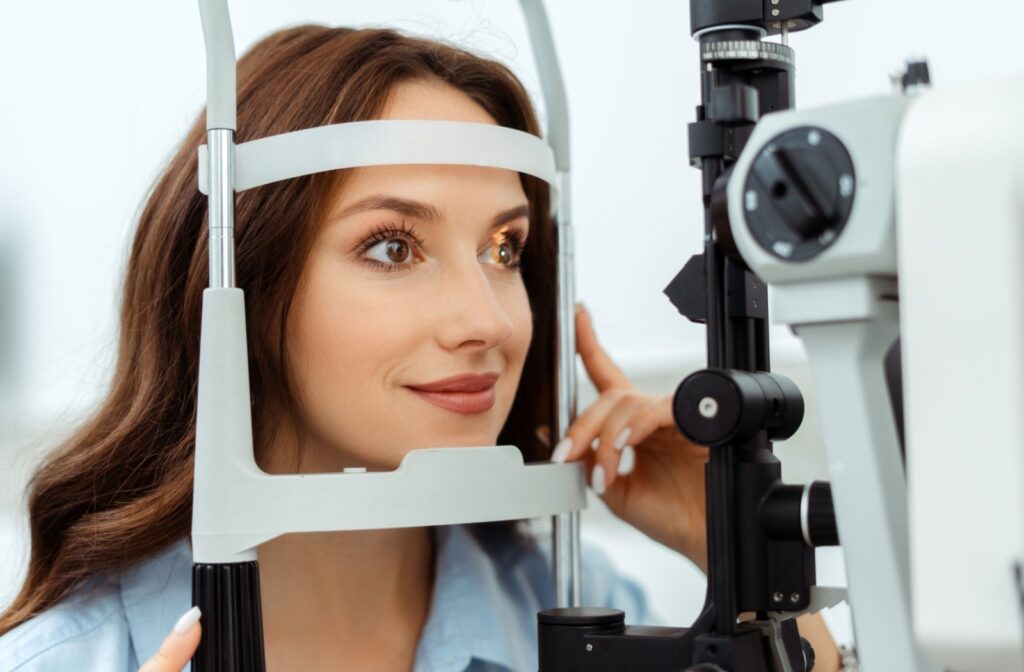
The eye doctor may dilate your pupils to get a better look at the structures inside your eyes. This process can cause temporary blurred vision and light sensitivity, which is why it’s often recommended that a driver take you home after a dilated exam.
Information to Share with the Eye Doctor
The more you share, the better your eye doctor can care for your vision. Before your appointment, think about your health, family history, and any symptoms you’ve noticed.
Your Overall Health and Family History
Be ready to mention any health conditions you have, such as diabetes or high blood pressure, as your eyes can reveal a lot about your overall wellness. In fact, an eye exam can detect signs of many health conditions. Also, let the eye doctor know if your family members have a history of eye conditions like glaucoma or cataracts.
Any Vision Changes or Discomfort
Think about any recent issues you’ve experienced with your eyes, as this information is key if you feel your vision is getting worse. It is helpful to share specific details with the eye doctor, so definitely mention if you’ve noticed:
- Blurry or double vision
- Headaches or feelings of eye strain
- New floaters or flashes of light
- Dry, scratchy, or red eyes
- Trouble seeing clearly at night
Your Digital Device Use and Hobbies
It’s a good idea to mention your daily screen time or hobbies to your optometrist. Do you spend hours on a computer for work? Do you play sports that require sharp vision? This context helps our team find solutions that fit your lifestyle.
How to Prepare on the Day of Your Exam
A few simple steps on the day of your visit can help your exam results be as accurate as possible. These tips are all about making you feel comfortable and ready for your appointment.
Rest Your Eyes Beforehand
Try to get a good night’s sleep before your exam. Arriving with well-rested eyes can help you feel more comfortable during testing.
Think About Any Questions You Have
Do you have questions about your vision, new eyewear, or general eye health? You can jot them down beforehand so you remember to ask them during your appointment.
Special Considerations for Different Eye Exams
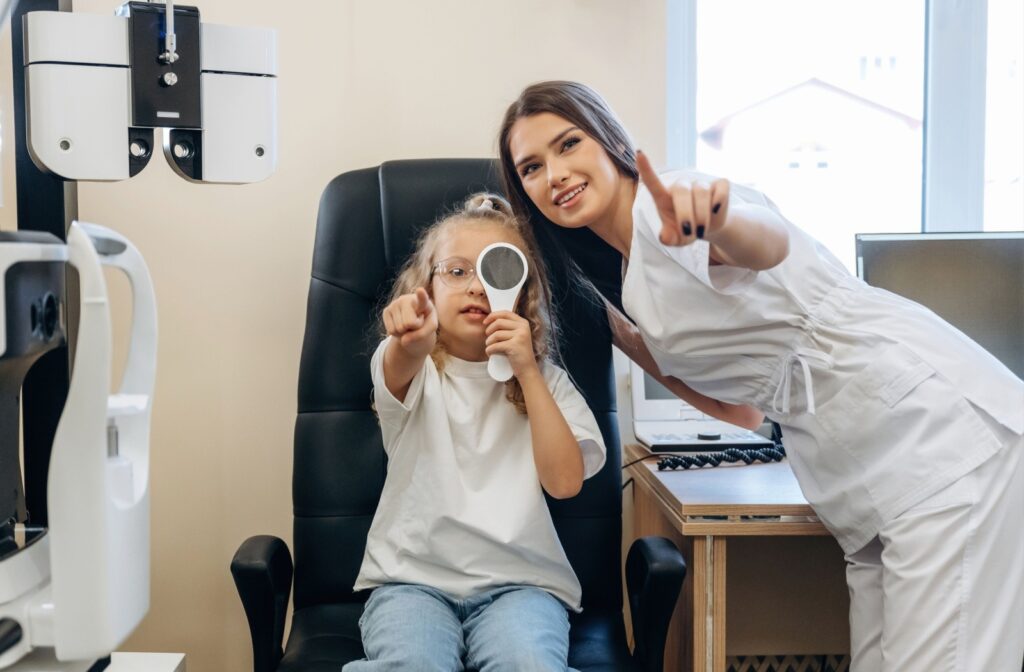
Different types of eye exams may require a slightly different approach. Whether the appointment is for you, your child, or a contact lens fitting, knowing what to expect is key.
A Child’s First Eye Exam
When scheduling a children’s eye exam, it helps to pick a time when they are usually alert and happy: Not right before a nap. You can talk to them about the visit in a positive way so they feel comfortable and know what to expect.
Contact Lens Fittings and Checkups
For a contact lens exam, you should arrive wearing your current contacts unless the office gives you other instructions. The eye doctor can check the fit of the lenses and your vision before discussing any updates.
Exams for a Driver’s License
Sometimes, driver’s license renewals require a vision screening. The test shows you can see clearly enough to be safe on the road. A comprehensive eye exam is a great way to prepare and address any vision issues ahead of time.
After Your Visit to the Eye Doctor
Your eye care continues even after the exam. Understanding the next steps helps you maintain healthy vision long after you leave the office.
Clarify Your New Prescription
If you get a new prescription, take a moment to understand it. The eye doctor or a team member can explain any changes and what they mean for your vision.
Discuss Follow-Up Recommendations
Ask about when you should schedule your next routine exam. Our team can also let you know if any other follow-up visits are needed to monitor a specific condition.
Explore Your Eyewear Choices
If you need new glasses or contacts, you can take your time to explore different options. Our team would love to help you find frames and lenses that suit your vision needs and personal style.
Ready? Schedule Your Appointment
Being prepared for your eye exam can help you make the most out of your appointment. As your eye care team serving Columbus, Gahanna, and New Albany, we’re here to answer any questions you have and make you feel comfortable. Feeling prepared? Schedule your next visit: We’re ready to help.