


You feel that familiar throb in your head and reach for your go-to headache remedy. But what if the source of your discomfort is not stress or tension, but your eyes? The team at Pinnacle Eyecare knows that dry, irritated eyes are more common than you might think and are often linked to headaches.
Dry eye strain can cause headaches. The connection often stems from eye strain, which occurs when your eyes work harder to compensate for dryness, which can also cause blurry vision.
The Link Between Dry Eye & Headaches
When your eyes lack proper lubrication, they have to work harder to focus clearly. The extra effort can lead to digital eye strain when the muscles around your eyes and in your forehead tense from constant use, which can trigger a tension headache.
How to Tell if a Headache Comes From Your Eyes
While not every headache is related to your vision, a few key signs can point to your eyes as the source. If the discomfort comes from eye strain, you might notice a dull, aching pain rather than a sharp, sudden one.
Common Headache Patterns
A headache caused by dry eye usually feels like a constant ache located in specific places. You may notice the discomfort:
- Behind your eyes
- Across your forehead
- In your temples
Look for Other Dry Eye Symptoms
If you experience headaches along with other eye-related issues, dry eye could be the cause. Pay attention to whether your headaches appear with any of the common symptoms of dry eye:
- A scratchy or gritty feeling, like sand is in your eye
- Redness & irritation
- Blurry vision that comes and goes
- Sensitivity to light
- Excessively watery eyes—this is your body’s attempt to fight the dryness
Common Causes of Dry Eye Discomfort
Your daily habits and environment play a significant role in your eye health. From the air you breathe to the screens you view, many things can contribute to dry, uncomfortable eyes.
Your Environment & Daily Habits
Spending hours in front of a computer, tablet, or phone can reduce blinking frequency, leading to dryness. Other common factors include exposure to wind, smoke, or very dry air from indoor heating and air conditioning systems, which can explain why you wake up with dry eye.
Other Health Factors
Sometimes, dry eye is linked to other conditions in your body. Age is a common factor, as tear production can naturally decrease over time. Certain health conditions or hormonal changes can also cause dry eye.
Simple Ways to Find Relief
You can take simple steps right at home to soothe your eyes and potentially ease related headaches. Small changes to your routine can make a big difference in your daily comfort.
Try At-Home Care
Remember to give your eyes regular breaks throughout the day. A good practice to follow is the 20-20-20 rule: every 20 minutes, look at something 20 feet away for at least 20 seconds. Using a humidifier at home or in the office, and drinking plenty of water, can also help significantly.
Use Lubricating Eye Drops
Over-the-counter artificial tears can provide temporary relief by adding moisture back to your eyes. These drops are helpful, but it’s good to know how often you can safely use them.
When to See Your Eye Doctor
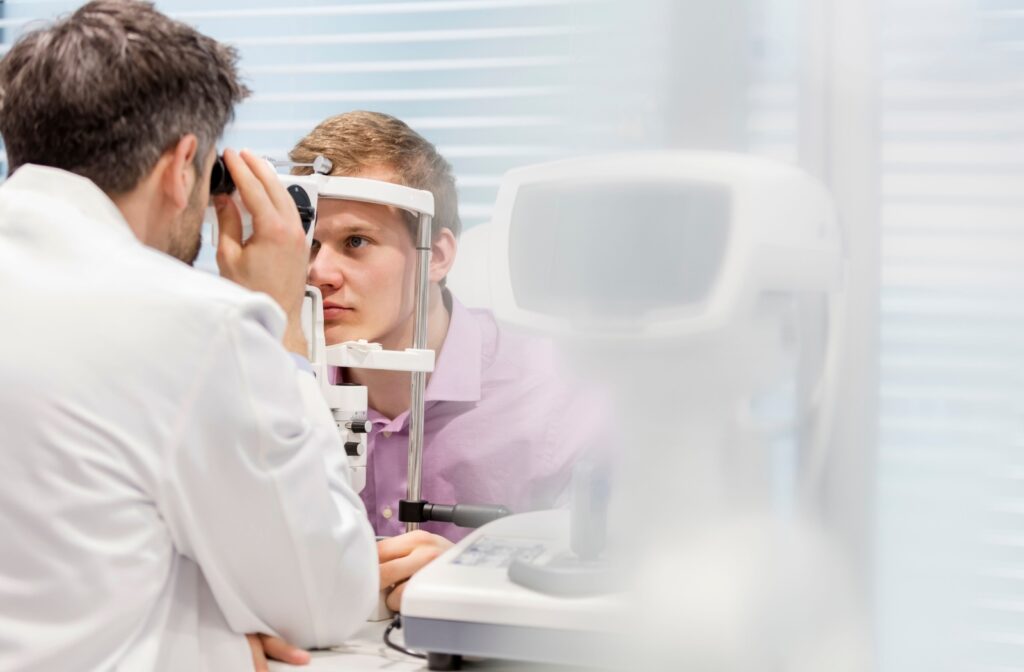
If home remedies do not give you enough relief, it might be time to schedule an eye exam. Your persistent dry eye and frequent headaches warrant discussion with a professional. An eye doctor can help figure out what’s going on.
Get a Clear Diagnosis
The symptoms of dry eye can sometimes mimic other conditions. A comprehensive eye exam helps identify the underlying cause of your discomfort, so you can receive appropriate care.
Explore Treatment Options
After a thorough evaluation, your eye doctor can recommend a personalized approach, including prescription eye drops or other non-invasive dry eye treatments designed to give you long-lasting relief from dry eye discomfort and the headaches that come with it.
How Pinnacle Eyecare Can Help
You do not have to put up with the irritation of dry eye and the headaches it can cause. Understanding the connection is the first step toward finding a solution that works for you.
Take action today by discussing your symptoms with the Pinnacle Eyecare team to find a path to clearer, more comfortable vision.